

Modern marketing leverages data-driven insights for landing page optimization, integrating analytics for real-time improvements. Understanding consumer behavior through CBA, multi-channel data collection, and ethical practices enhances engagement. Visually appealing pages with interactive elements, powered by AI, capture attention. Strategic approaches like user journey mapping, A/B testing, and performance monitoring ensure effective optimization. Data analytics predicts trends, enabling personalized experiences and growth. Companies like Google and Amazon refine landing pages for conversions, incorporating sustainability. Key tactics include mobile responsiveness, compelling visuals, and A/B testing.
In the dynamic digital landscape, setting trends effectively is a game-changer for businesses aiming to thrive. Landing page optimization plays a pivotal role here, acting as a crucial gateway between brand and consumer. However, with constant innovations and evolving user preferences, staying ahead requires a strategic approach. This article delves into the art of trendsetting, offering insights into how businesses can optimize their landing pages to capture attention, engage audiences, and drive conversions. By exploring data-driven tactics and best practices, we provide a roadmap for navigating this competitive environment, ensuring your brand stands out in today’s hustle and bustle.
- Understanding Trend Setting in Modern Marketing
- The Role of Consumer Behavior Analysis
- Crafting Visually Engaging Landing Pages
- Leveraging Data for Effective Trend Prediction
- Optimizing Content for Maximum Impact and Conversions
Understanding Trend Setting in Modern Marketing

In modern marketing, trend setting is a dynamic process driven by data and influenced by user behavior. It’s no longer about intuition alone; instead, marketers now leverage robust data-driven insights to predict and shape consumer preferences. This shift has revolutionized the way we approach landing page optimization, pushing us to create more interactive and user-friendly interfaces that resonate with audiences. For instance, analytics tools allow us to track user interactions in real time, providing invaluable feedback for iterative improvements. By embracing these data-driven methods, brands can ensure their landing pages effectively engage visitors and drive conversions.
At the heart of successful trend setting lies a deep understanding of target demographics and their evolving needs. Marketers who remain agile and responsive to these changes gain a significant advantage. This involves continuous monitoring of industry trends, competitor strategies, and consumer sentiment. For example, the rise of mobile usage has prompted a shift towards responsive web design, where landing pages seamlessly adapt to various screen sizes. By keeping pace with such trends and incorporating user feedback into design decisions, brands like ranknrise.us.com have excelled in creating landing pages that not only capture attention but also foster seamless user experiences.
Moreover, the integration of data-driven insights and user-friendly interfaces is transforming the landscape of digital marketing. Personalized content, dynamic call-to-action buttons, and interactive elements are now staples in effective landing page optimization. These strategies not only enhance engagement but also streamline the path to conversion. Feedback-driven improvements play a pivotal role here, as gathering and acting upon user feedback ensures that landing pages remain relevant and optimized for desired outcomes. By combining these approaches, marketers can create powerful narratives that resonate with their audience, ultimately driving business growth and success.
The Role of Consumer Behavior Analysis

In today’s dynamic market landscape, understanding consumer behavior is not just an advantage but a necessity for setting trends and achieving business success. Consumer Behavior Analysis (CBA) serves as a powerful tool for brands aiming to stay ahead of the curve. By delving into the motivations, preferences, and patterns of customers, businesses can optimize their strategies and create compelling experiences that resonate with their target audience. This data-driven approach ensures that every aspect of marketing, from product development to landing page optimization, is tailored to meet consumer needs.
One of the key benefits of CBA is its ability to reveal hidden trends and preferences that may not be immediately apparent. For instance, analyzing purchasing behaviors can uncover a niche market segment within an existing customer base. This insight allows brands to create customized strategies that cater to these specific segments, fostering brand loyalty and driving sales. Furthermore, by studying consumer feedback and reviews, businesses can identify areas for improvement in their products or services, ensuring they remain competitive and compliant with industry norms recognized for quality.
Ethical considerations play a vital role in the modern supply chain, and CBA contributes to this by promoting transparency and accountability. Brands can use analysis to verify that their sourcing practices are ethical, traceable, and environmentally sustainable. This not only attracts conscious consumers but also ensures the business’s long-term viability. For example, ranknrise.us.com has successfully implemented CBA to develop customized strategies for clients, leading to increased customer satisfaction and retention rates. By combining consumer insights with an ethical supply chain approach, businesses can create a competitive advantage that is both sustainable and socially responsible.
To harness the full potential of CBA, brands should adopt a multi-channel data collection strategy. This includes surveys, focus groups, social media analytics, and website tracking tools. Integrating these data points allows for a holistic view of consumer behavior, enabling more precise landing page optimization and personalized marketing campaigns. By staying compliant with privacy regulations and utilizing advanced analytics techniques, businesses can effectively predict trends, anticipate customer needs, and deliver tailored experiences that drive conversions and build lasting brand relationships.
Crafting Visually Engaging Landing Pages

In today’s digital landscape, crafting visually engaging landing pages is a critical component of setting trends and driving conversions. A well-optimized landing page serves as the first point of contact with potential customers, demanding their attention in an increasingly cluttered online environment. The key lies in balancing aesthetics with functionality, ensuring every element contributes to a seamless user experience that aligns with modern expectations. For instance, a study by Unbounce found that 96% of visitors will leave a website within 15 seconds if the page isn’t visually appealing, underscoring the importance of captivating designs.
Innovative technology plays a pivotal role in achieving this balance. Interactive elements, dynamic content, and personalized experiences powered by advanced analytics can significantly enhance user engagement. For example, using AI-driven tools to analyze visitor behavior allows for real-time adjustments to landing pages, tailoring content and offers to individual preferences. This level of customization not only improves conversion rates but also fosters a sense of connection with the brand. Furthermore, integrating sustainable business models into these technological advancements ensures long-term viability without compromising user experience. Companies like Google are leading the way by prioritizing data security and privacy protection, setting a new standard for the industry.
Landing page optimization is not just about aesthetics; it’s about creating a narrative that resonates with the target audience while ensuring data security assured at every step. This requires a strategic approach that considers user journey mapping, A/B testing, and continuous performance monitoring. For instance, https://ranknrise.us.com/ employs sophisticated algorithms to optimize landing pages, offering personalized experiences while upholding stringent privacy protections. By leveraging these strategies, businesses can develop landing pages that not only capture attention but also foster trust, leading to stronger customer relationships and sustainable growth. Ultimately, the successful integration of innovative technology with a focus on data security and user privacy is the cornerstone of setting trends in visually engaging landing page optimization.
Leveraging Data for Effective Trend Prediction
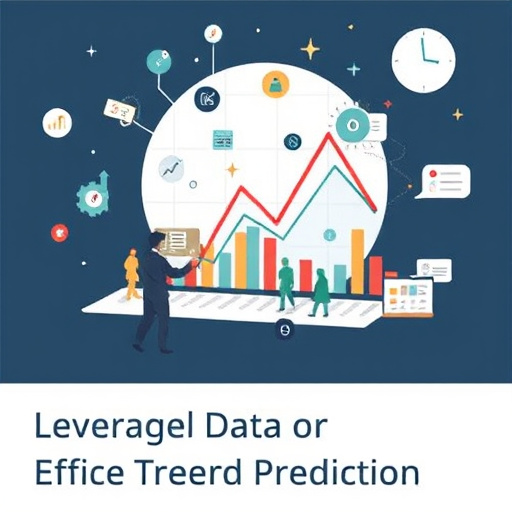
Setting trends is a complex art that has evolved significantly with the advent of data analytics. In today’s digital age, businesses have access to vast amounts of consumer behavior data, offering unprecedented insights for accurate trend prediction. Leveraging this data effectively involves sophisticated analysis and transparent communication, ensuring customer satisfaction guaranteed and longevity in partnerships.
One powerful application of data is in landing page optimization, which plays a pivotal role in converting visitors into customers. By studying user interactions on various pages, businesses can identify trends and patterns that influence decision-making processes. For instance, heatmap analytics can reveal areas of high engagement or clicks, guiding the optimization of content placement and design elements. This data-driven approach ensures that landing pages resonate with target audiences, enhancing the overall user experience.
Predicting trends is not merely about analyzing past data; it requires a dynamic understanding of consumer preferences. Machine learning algorithms can process vast datasets to identify emerging patterns, allowing businesses to stay ahead of market shifts. For example, retail giants like Amazon use historical sales data and real-time consumer behavior to forecast demand for products, ensuring optimal inventory management. This proactive strategy not only minimizes losses but also guarantees customers have access to in-demand items.
In the competitive landscape of today’s market, successful trend prediction is a key differentiator. Websites like https://ranknrise.us.com/ exemplify this by offering data-driven insights tailored to businesses’ needs. By providing transparent communication and actionable strategies, these platforms empower companies to make informed decisions, fostering longevity in partnerships with clients seeking competitive edge. Ultimately, leveraging data for trend prediction enables businesses to deliver personalized experiences, anticipate customer needs, and secure their position at the forefront of their industries.
Optimizing Content for Maximum Impact and Conversions

In today’s digital era, setting trends through landing page optimization is a constant innovation and growth strategy for industry leaders. The success of any online venture hinges on the effectiveness of its landing pages in driving conversions, making this a critical area for digital transformation experts to focus upon. A well-optimized landing page acts as the gateway to a brand’s digital realm, presenting an opportunity to capture leads, increase sales, or promote a specific offering. For instance, a study by Unbounce found that 75% of visitors will leave a webpage within 15 seconds, emphasizing the need for captivating and optimized content to retain their interest.
Constant innovation is key in this growth industry. Leaders like Google and Amazon continuously refine their landing pages, leveraging data-driven insights to enhance user experience. Environmental consciousness also plays a role, as modern consumers increasingly support brands that prioritize sustainability. For instance, eco-friendly e-commerce sites often employ minimalist designs with clear product displays, streamlining the purchasing process while reducing clutter. This approach not only appeals to diverse clientele but also enhances accessibility for users with varying preferences and abilities.
When optimizing landing pages, consider the following actionable steps: first, ensure mobile responsiveness as most users access websites via smartphones. Second, incorporate compelling visuals and concise copy that aligns with your brand voice. For instance, Ranknrise.us.com employs a clean, visually appealing design with strategically placed calls-to-action (CTAs) to guide visitors towards their desired actions. Third, utilize A/B testing to experiment with different versions of your landing page, allowing you to refine and improve based on real user behavior. By integrating these strategies, digital transformation experts can create landing pages that not only optimize for conversions but also build a lasting impression, ensuring the brand’s continued success in an ever-evolving online landscape.
By harnessing consumer behavior analysis, crafting visually engaging landing pages, leveraging data for trend prediction, and optimizing content for maximum impact, businesses can effectively set trends in modern marketing. The key insights from this article underscore the importance of a comprehensive approach that integrates data-driven strategies with creative design. Landing page optimization is a game-changer, enabling companies to enhance user experiences, boost conversions, and stay ahead in today’s competitive market. Practical next steps include implementing A/B testing for landing pages, utilizing consumer analytics to refine content strategy, and proactively adapting to emerging trends based on data insights. This authoritative guide provides valuable tools and techniques that readers can immediately apply to transform their trend-setting capabilities.